
Shiraz
The third collection
A city carpet begins on paper. The design is drawn on squared paper, to full scale and in colour, and every square on the sheet stands for one knot. The weaver at a fixed loom copies it.
This one began nowhere near paper.
It was woven by people who moved several hundred kilometres twice a year, on a loom that lay flat on the ground and travelled with them.
Worn closest. Seen least.
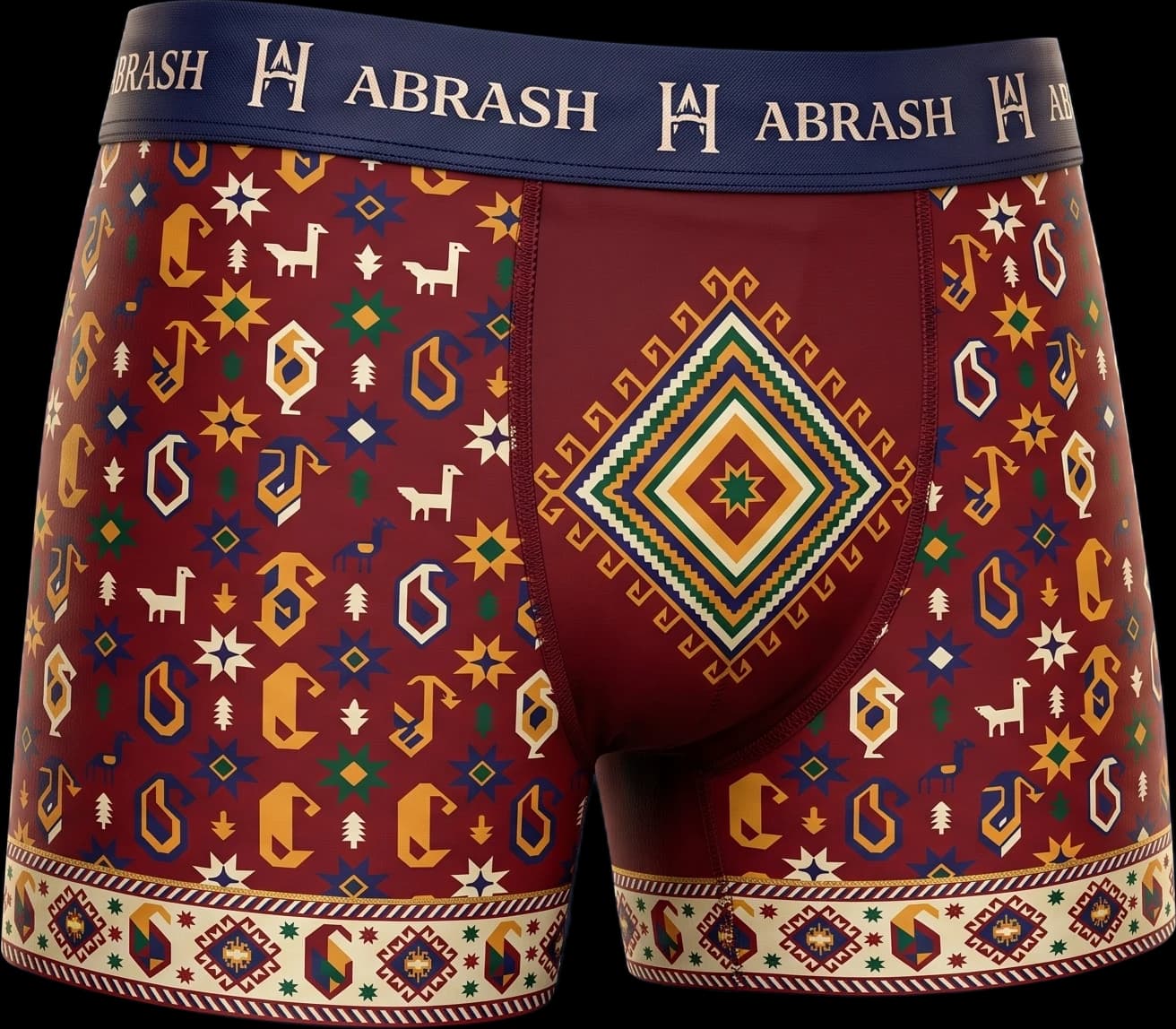
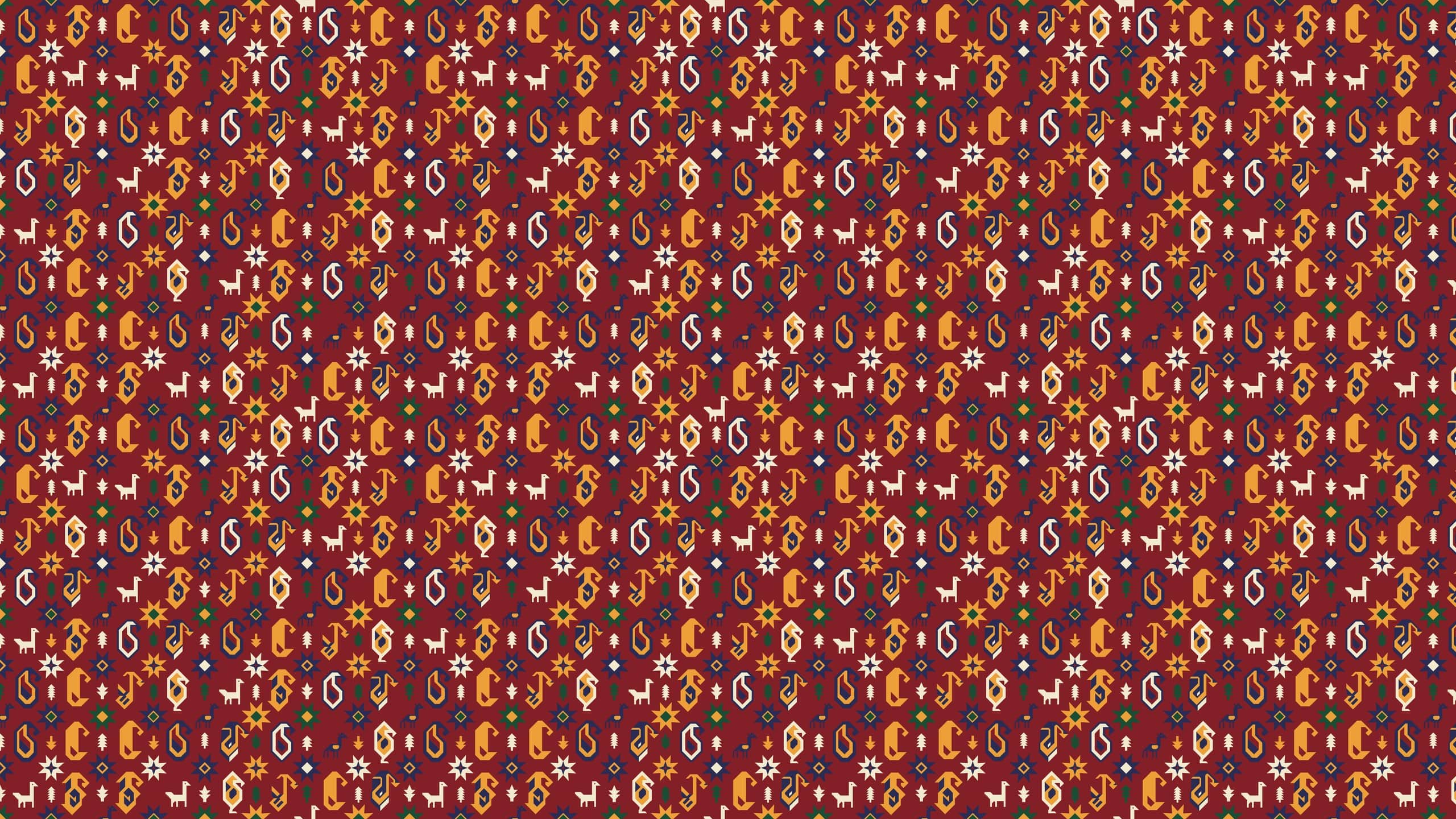
Wine ground. Saffron, indigo, ivory and a green that sits oddly next to the other two collections and is meant to.
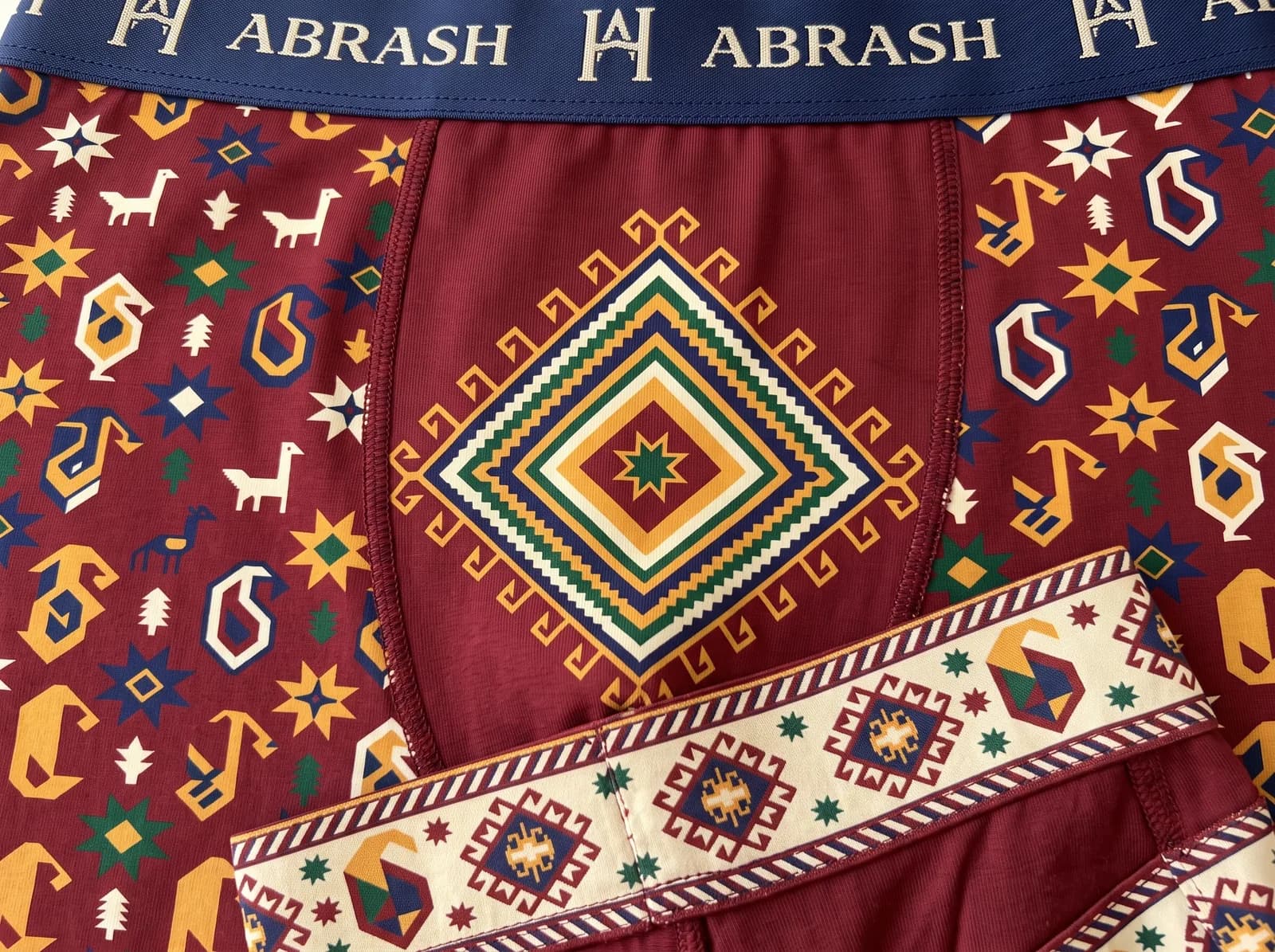
Every form is built from straight lines. There is not a single curve in the field.
The motifs are the ones you meet on a migration route: goats, horses, birds, cypress trees, eight-pointed stars. The medallion is a stepped diamond rather than a rosette. The border carries a diagonal stripe of the kind that runs along the edge of a saddle bag.
| Fabric | 95% long-staple cotton, 5% elastane, 190 gsm |
Digital reactive, not sublimation — the colour is in the fibre, not on it | |
| Waistband | 40 mm woven jacquard, dark navy, anti-roll |
| Sizes | S – XL |
| Made in | China |
In the first run. Dye Lot 1, numbered.
Be first when Shiraz opens.
We are making a limited first run, and Shiraz is in it. Everyone on this list is offered it before anyone else, at the founders' price.
One email when it opens.
The carpet that travelled
In the province of Fars, around and south of Shiraz, live the Qashqa'i — a confederacy of clans of mixed origin, most of them Turkic, speaking a Turkic dialect they call Turki. In Fars they are the largest weaving group there is.
They were pastoral nomads, and the year was built around the move. In spring and early summer the sections of the confederacy travelled between four and five hundred kilometres to reach their summer quarters, and came back down before winter.
They wove while they moved.
What a travelling loom does to a pattern
Almost all nomadic weavers work on horizontal looms. Village and town weavers work on vertical ones. That single difference is where this collection comes from.
There was no cartoon. A city workshop weaves from squared paper drawn by a designer — one square, one knot. Carpets with traditional designs that were never made in a manufactory were woven without any such model. Nothing was written down, and nothing needed to be.
There was no ruler but the structure. Tribal weaving is bolder and more geometric than city weaving, and the stepped edge of a Qashqa'i diamond is not a stylised curve. It is what a diamond looks like when it is built out of knots.
City carpets were drawn. Nomad carpets were remembered.
Where the name of this house comes from
Shiraz is also the collection that gave us our name, although the phenomenon is not unique to it.
When a dye lot ran out on the road, the next batch was mixed from whatever was available, wherever the camp had stopped. The colour shifted. The weaving continued. The band stayed.
That is abrash, and in a carpet made over a year of travelling it is not a rare flaw — it is a record of the journey.
The object
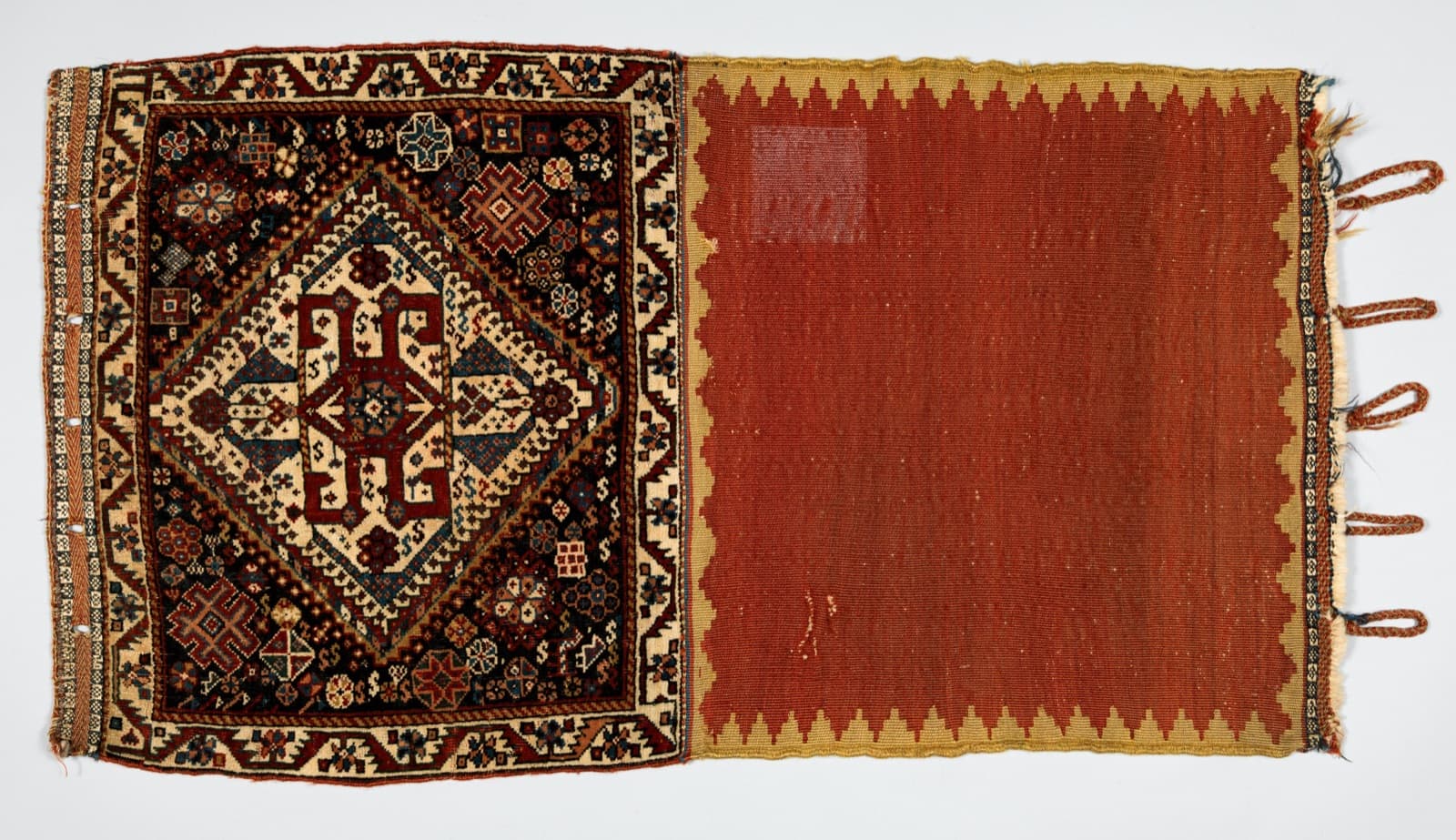
It is worth saying what this is, because it is not a carpet.
A khorjin is a double saddle bag: two woven panels joined by a bridge, thrown over an animal, loaded with belongings. This is one half of one. The front is knotted pile; the back is flat-woven kilim with braided closures.
Nobody made it to be looked at. It was made to hold things while a family walked from the mountains to the plains, and it was made beautiful anyway, by someone who had no particular reason to bother.
That is the difference between this collection and the other two. Tabriz and Nain were made for floors, for rooms, for people who would see them. This was made for a horse.
What is ours
Two things on this page are our reading rather than the record's, and we would rather mark them than let them pass.
The motifs — goats, horses, birds, cypresses — are in the pattern, and it is hard to look at them and conclude that anyone was copying a court. But no source we have tells us the weavers chose them because they were what the route provided. That is us.
And the idea that the pattern was carried in memory is an inference from a documented absence: traditional designs woven outside manufactories used no model. Where the designs lived instead, and who passed them to whom, we do not know.
About the house
House of Abrash is new. The craft is not.
Sources
- CARPETS xiv. Tribal Carpets — Siawosch Azadi, 1990
- CARPETS iv. Knotted-pile carpets: Designs, motifs, and patterns — Annette Ittig, 1990
- QAŠQĀʾI TRIBAL CONFEDERACY i. HISTORY — Pierre Oberling, 2003
- ʿAŠĀYER — Firuz Tawfiq, 1987